25+
citizen-facing deployments

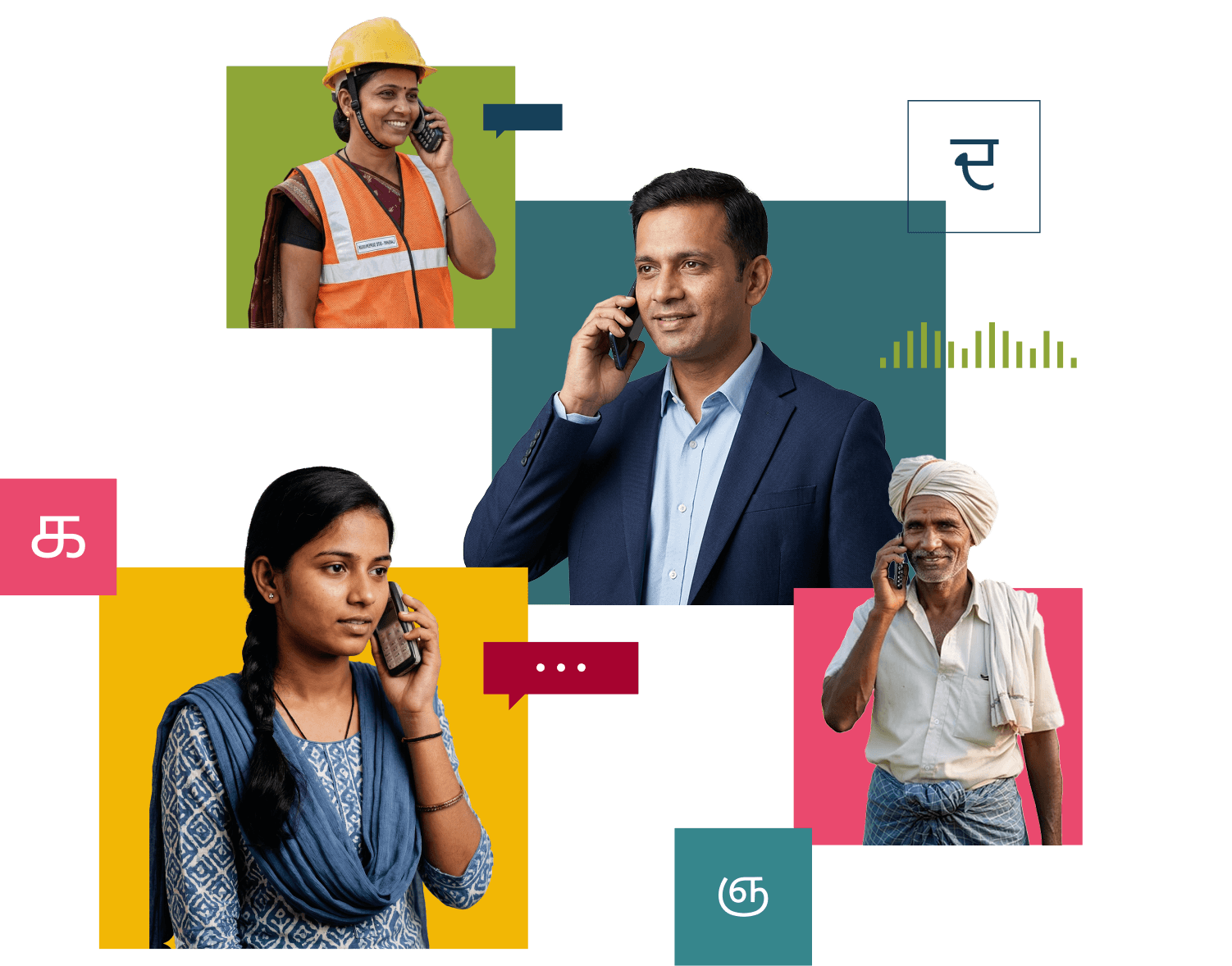
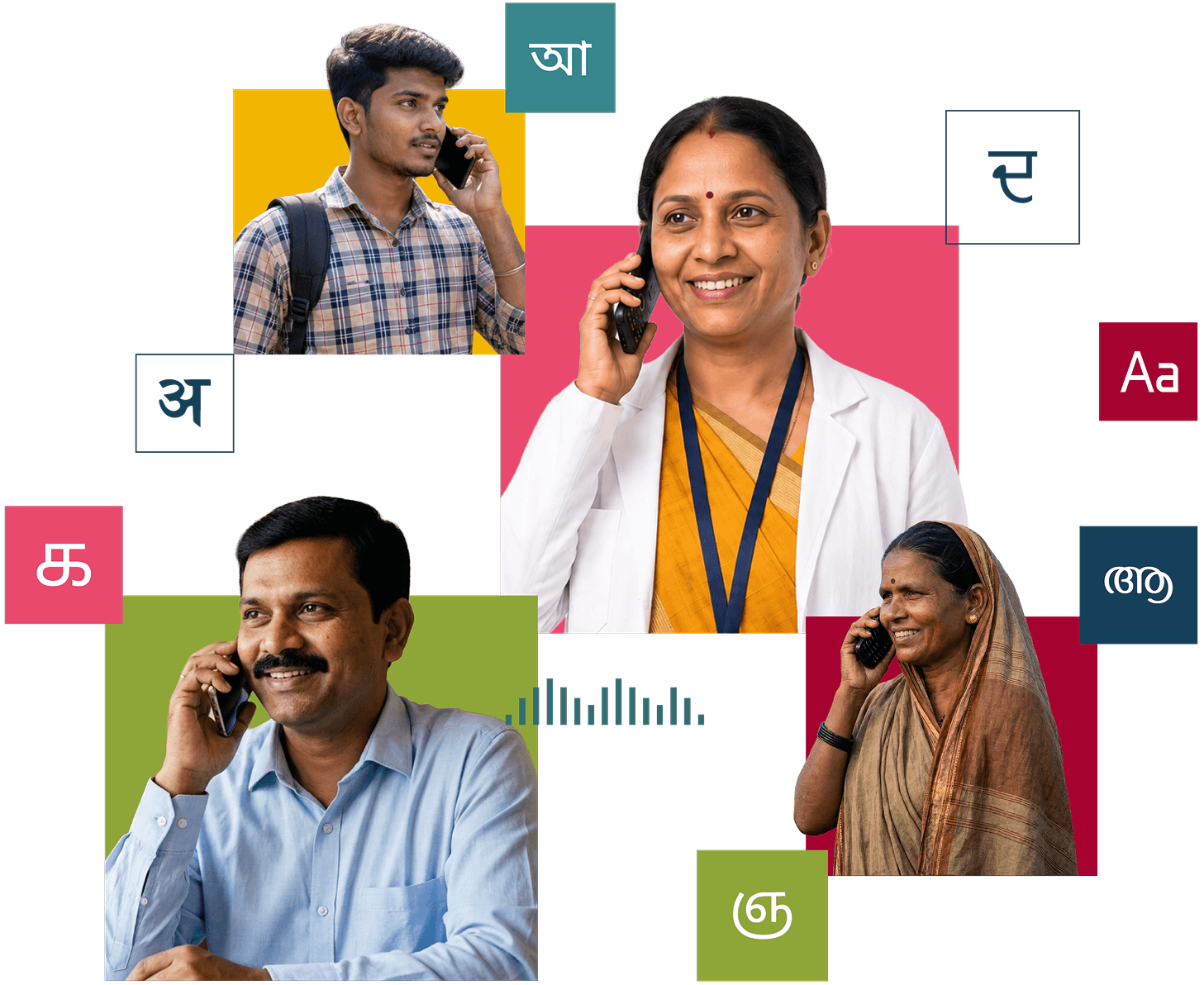
Digital services should be accessible to every Indian - in the language they speak, through the simplest interface they own: a phone call.
“As India approaches a billion smartphones, the languages used to access phones will expand beyond Hindi and English, and the user interface will move from keyboard and touch to voice and video.”
“Voice AI can drive social good by helping millions access opportunities through conversation. At EkStep, we are building a scalable, diffusion infrastructure for the Voice AI ecosystem to share learnings, reduce adoption curves, and deploy safe, efficient solutions.”
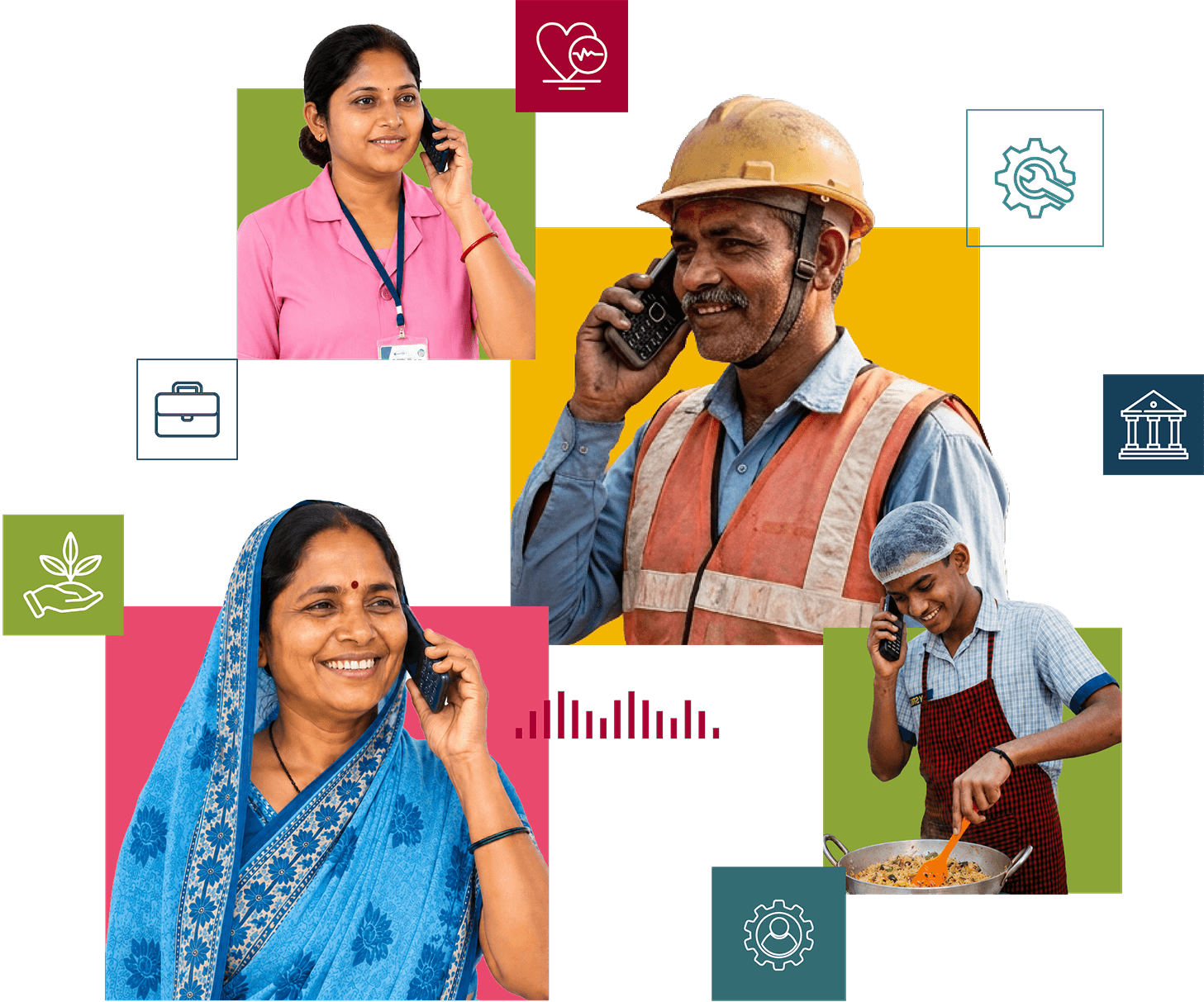
India has 1.4+ billion people. Most government services, welfare schemes, and livelihood programmes are built for those who can read, type and navigate in English or Hindi. This excludes the majority of people that these services are designed to reach.
The barrier is not education or intent. It is the interface.
Voice AI removes that obstacle entirely. A phone call in any language is sufficient. The technology works. The cost has come down to <₹1 per minute for a full end-to-end stack.
The question for any organisation working in public services is no longer whether Voice AI works. It is how quickly it can be adopted - and what it takes to deploy it for a specific use case, in specific languages, at a cost that public systems can sustain.
This ecosystem exists to answer that question.
citizen-facing deployments
1000+ community members
full stack cost benchmark
What Voice AI Development looks like
Building Voice & language AI for low-resource languages.
The most common reason Voice AI projects stall is not technology. The technology works. The models are good enough. The cost is manageable.
What stalls adoption is a lack of clarity on what has already been built, deployed where it failed, what it costs from end to end and how to restart without rebuilding from scratch.
EkStep Foundation’s Voice AI work addresses this gap. Across agriculture, livelihoods, health, and governance, it has seeded open infrastructure, run population-scale deployments, convened the practitioner community, and published learning documents so that organisations can learn from each other.
India’s agricultural advisory system has always had a last-mile problem. Extension workers cannot reach every village at every critical moment in the farming calendar. Printed guides assume literacy. Call centres operate primarily in Hindi. The farmer who speaks Marathi, Odia, or Gujarati - and needs pest management advice on a Thursday afternoon or wants to know the current MSP for maize before deciding whether to sell - has had no reliable, accessible option.
Large-scale Voice AI deployments have changed that.
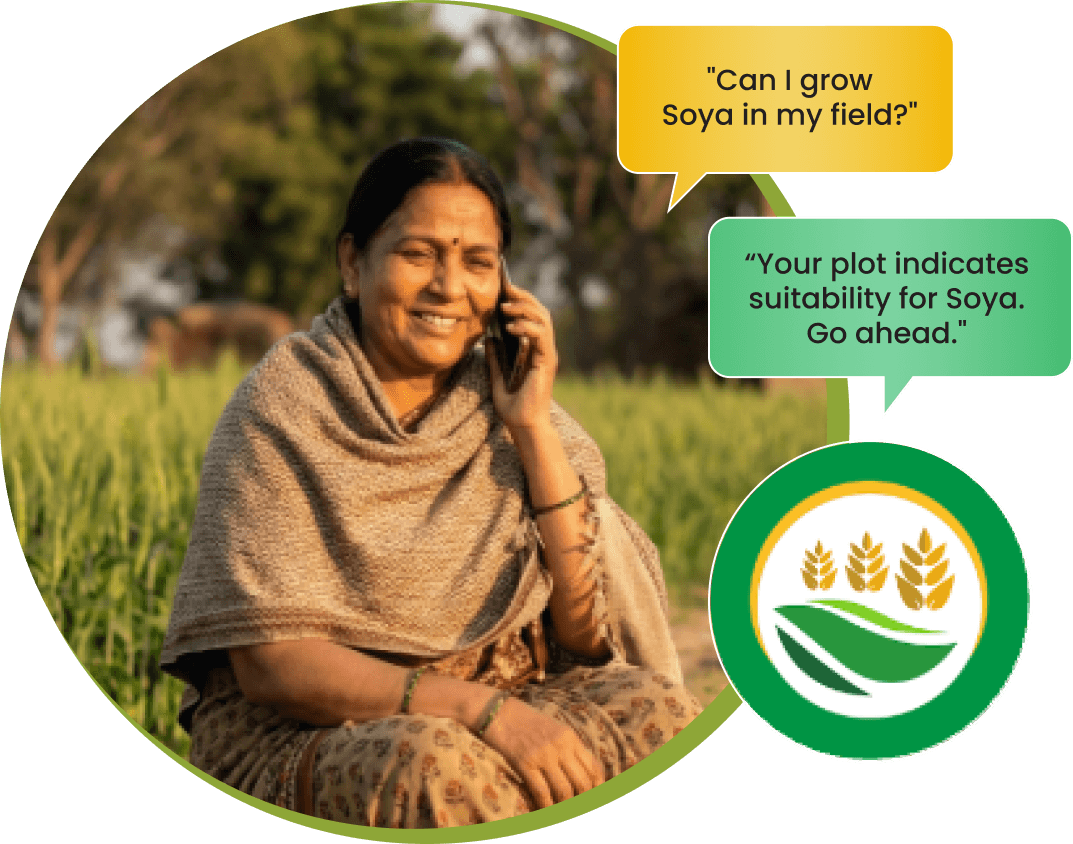
MahaVISTAAR was launched in May 2025 by the Government of Maharashtra in collaboration with EkStep Foundation as part of the VISTAAR Digital Public Infrastructure initiative. It gives farmers in Maharashtra real-time, personalised agricultural advice through voice calls in their own language - covering crop advisories, pest management, input guidance, and scheme information.
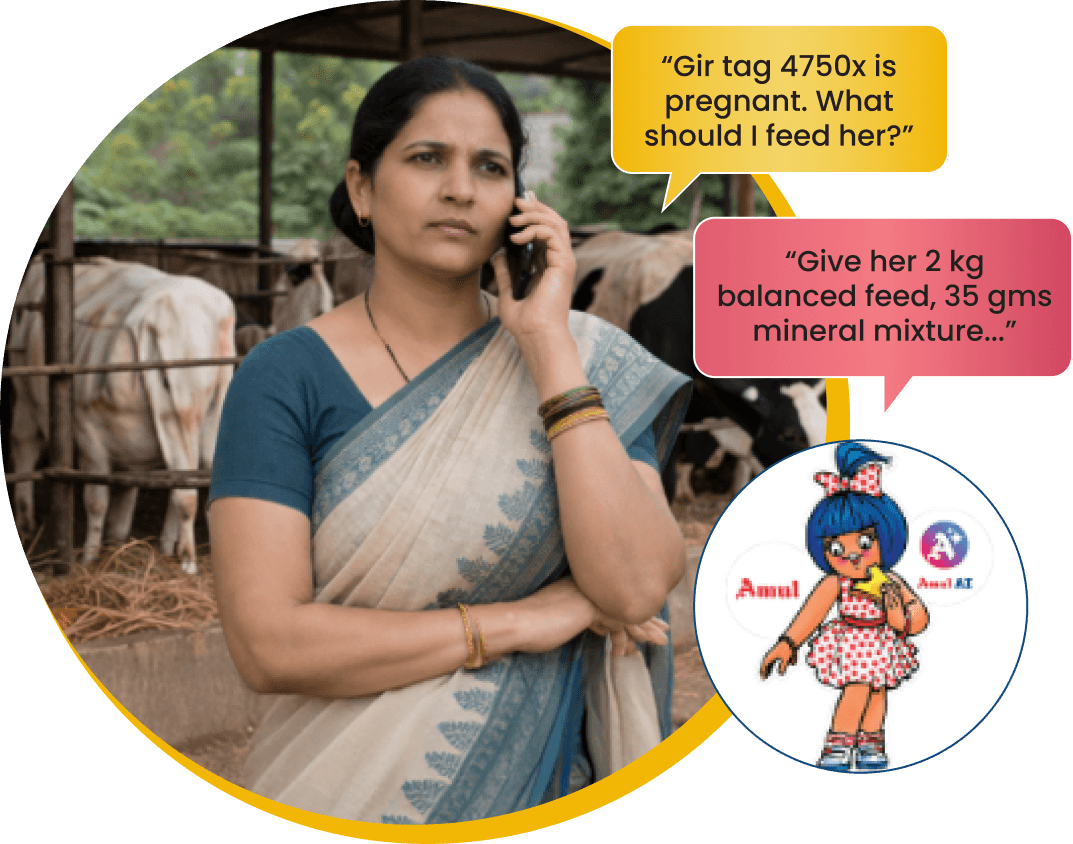
Sarlaben by AMUL, launched in February 2026, is an AI-powered advisory assistant developed in partnership with the EkStep Foundation. It serves 3.6 million dairy farmers across 18,600 villages in Gujarat. Farmers call and speak in Gujarati. They receive personalised advice on cattle health, breeding, and fodder. The app is based on five decades of Amul data and is delivered through voice calls and the Amul Farmer Mobile App. The farmers who are mostly women, do not require a smartphone, English literacy or technical knowledge.
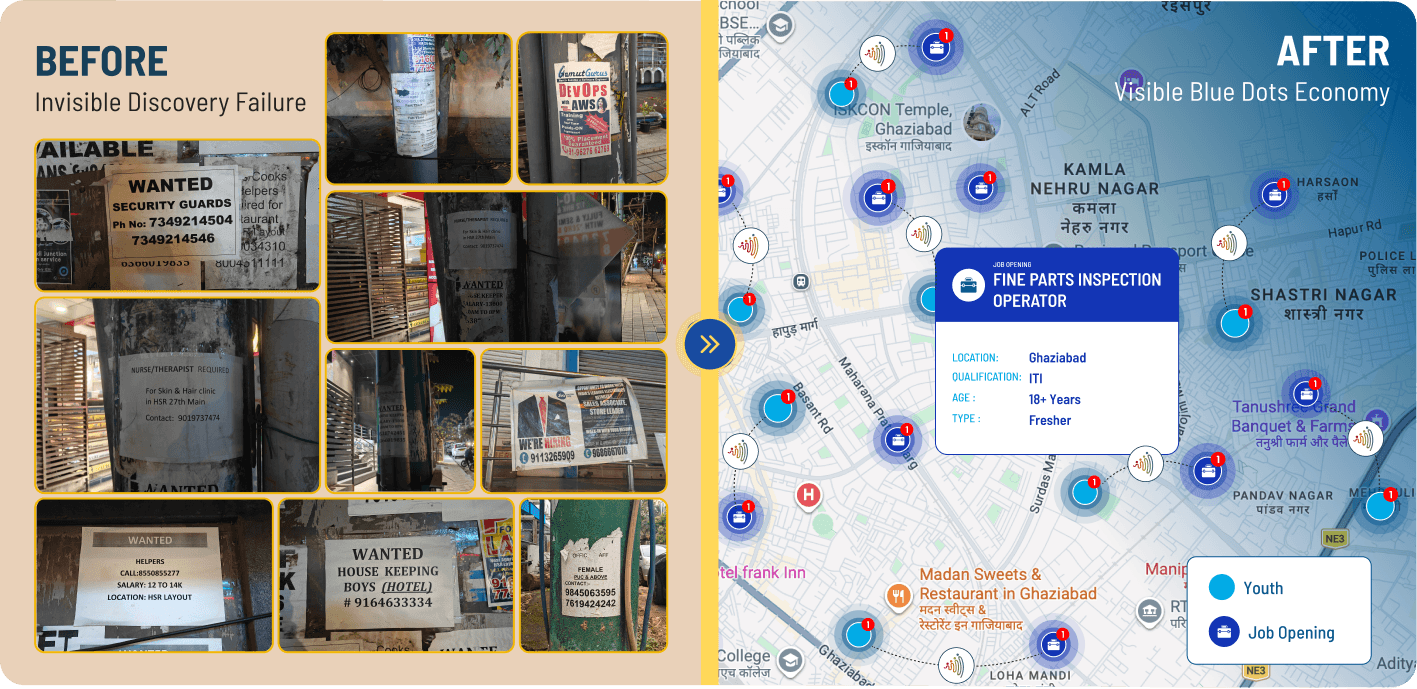
India’s local job markets do not have a supply problem. Jobs exist. Job seekers exist. They cannot find each other because neither is on a shared digital system. The employer puts a notice on a pole. The job seeker asks around. Both wait.
BlueDots, an EkStep Foundation initiative, uses Voice AI to make local labour markets discoverable. A job seeker calls, speaks for two minutes in any language, and becomes a precise, location-anchored signal on a shared district map. An employer describes a vacancy the same way. The system matches them.
In Ghaziabad, this approach surfaced 10,000+ local job openings from less than 10% of the district’s businesses ,while national platforms were showing fewer than 100 listings in the same area. For employers the time taken to source a relevant candidate dropped from over two weeks to under two days.
An open-source, end-to-end Voice Al infrastructure for population-scale deployments. VoicERA brings telephony, speech models, LLMs, and agent orchestration together-delivering deterministic latency, high reliability and full control over data and performance.
Please access the VoicERA GITHUB here

End-to-end, auditable, and extensible-no vendor lock-in

Works across multiple telephony providers, ASR/TTS engines, and LLMs

Built for government and enterprise environments with strict data sovereignty needs

Real-time streaming audio with predictable response times at scale

Deployed on BHASHINI-National Infrastructure

In-built agent builder, prompt orchestration, analytics, and monitoring-from pilot to production



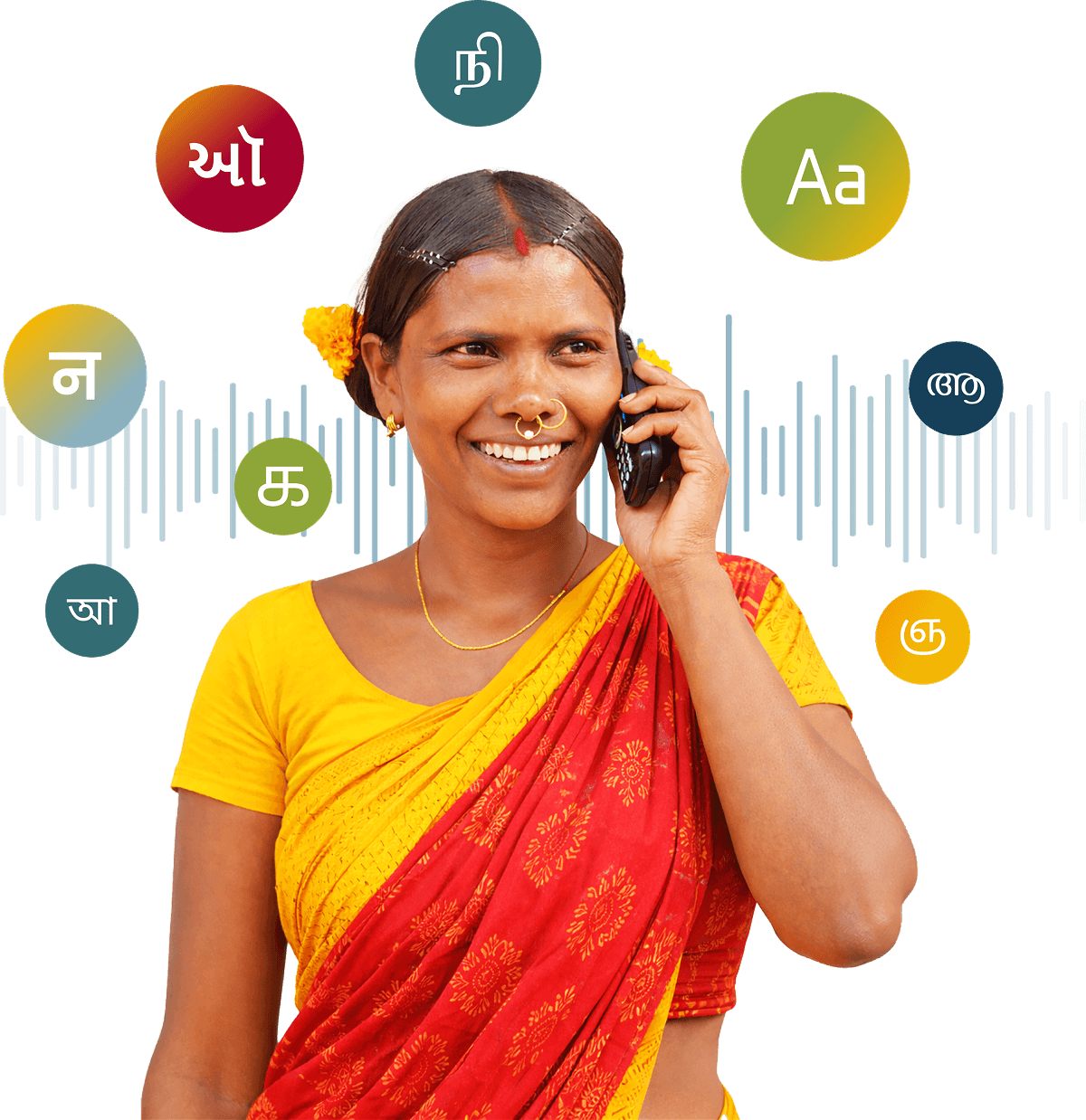
Open-source AI models powering voice assistants, real-time translation, and speech recognition across all 22 scheduled Indian languages - making technology accessible to India’s 1.4 billion people.



Model Downloads
Indic Languages Supported
Speech Data Hours
Open-Source License

Healthcare

Education

Citizen Support

Applications & Services

Government Systems
Open-source Indic language models, datasets, and tools. Research lab at IIT Madras.

Leading Indian AI company building foundation models for Indic languages.

Evals & Voice Harness — sandbox and benchmarking collaboration.

AI safety research. Collaboration on Trust, Safety & Moderation layer.

GPU and edge optimisation for population-scale inference.

Home of AI4Bharat. Indic language models, evaluation, benchmarking.

Safety, cultural nuance, and evaluation for responsible AI in India.

India's national language translation mission. Hosts VoicERA. Core infrastructure partner.
For decades, government outreach has meant IVR and SMS. Systems that push information to citizens without the capacity to receive anything back. Citizens hear. They cannot respond, verify, clarify, or signal that they need something different. The institution sends. It never knows if anything landed.
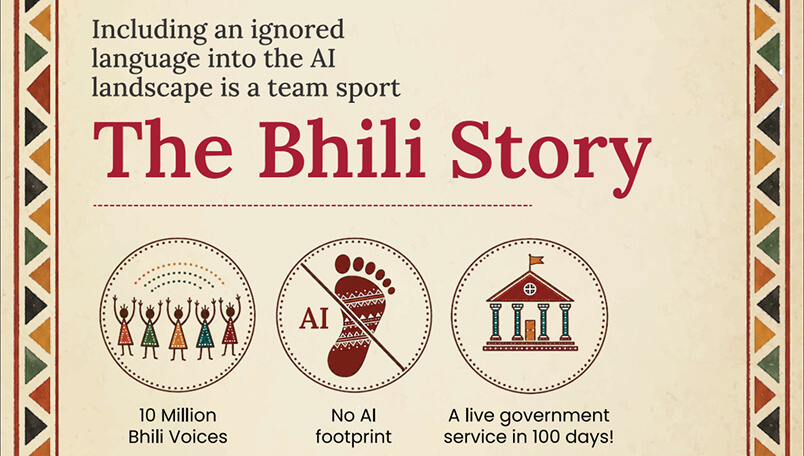
Though 10 million people across Maharashtra, Madhya Pradesh, Rajasthan and Gujarat, speak Bhili, it is an oral language without a script, almost no digital presence, and a population that most digital services don’t reach. Many farmers from the district of Nandurbar who spoke Dehwali Bhili, could not avail of government schemes because access wasn’t built in their language. When crop advisory and scheme information start speaking Dehwali Bhili, entitlements on paper finally become actions people could take. Witness the pioneering team of twelve actors who built Nandurbar’s Bhili AI model!
Hosted by the EkStep Foundation, with Sarvam as the technology partner and AI4Bharat as the knowledge partner, the ‘Listen At Scale’ programme tested a fundamentally different model. Conversational Voice AI agents spoke in local languages, asked structured questions, received real responses, and converted those responses into data that institutions could act on immediately.
Between January and February 2026, twenty organisations deployed Voice AI agents across healthcare, agriculture, governance, skilling, and civic engagement. Each organisation received a grant of 5 lakh Voice AI minutes to move from idea to live deployment.
Voice AI minutes
Unique citizens reached
Organisations — state governments, central ministries, and non-profits
Hosted by the EkStep Foundation, with Raya, VocalLabs, and Samora.ai stepping forward as partners from the community, this programme tested a unique economic model. Conversational Voice AI agents spoke in local languages, handled real citizen interactions, and delivered measurable outcomes — at a cost that, for the first time, made scale genuinely within reach.
For a period of 100 days, any organisation could deploy Voice AI agents across any use case with no cap on minutes, and access was priced under ₹1 per minute, end-to-end.
Voice AI minutes — no ceiling on deployment
Active use cases across healthcare, agriculture, governance, skilling, and civic engagement
organisations and counting
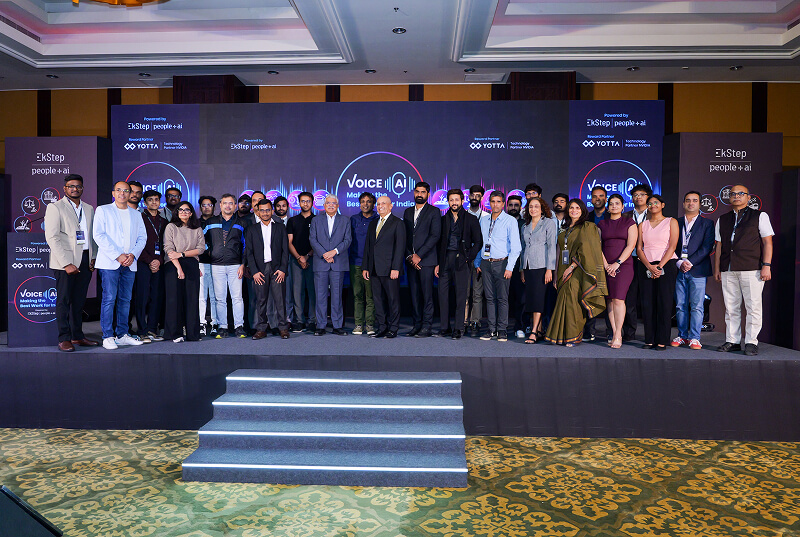
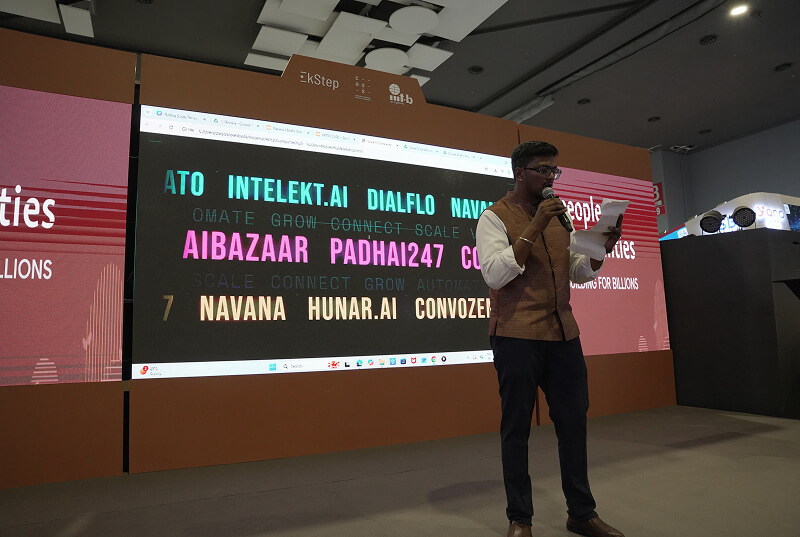
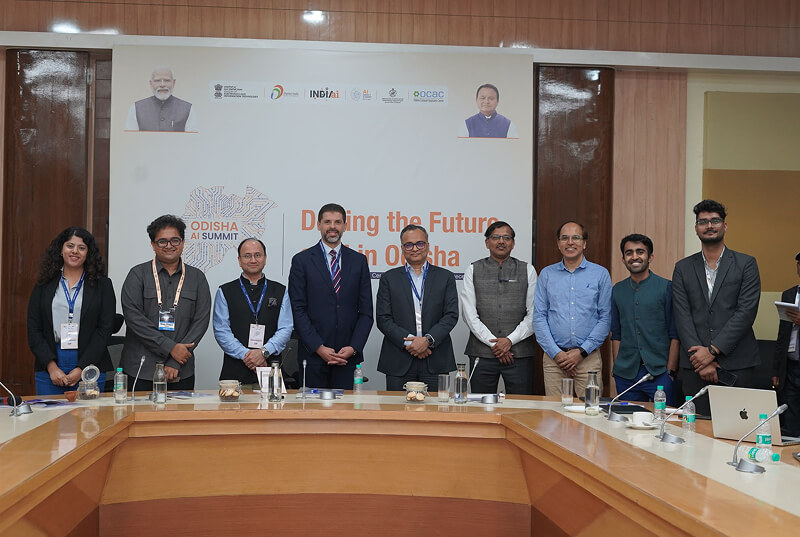
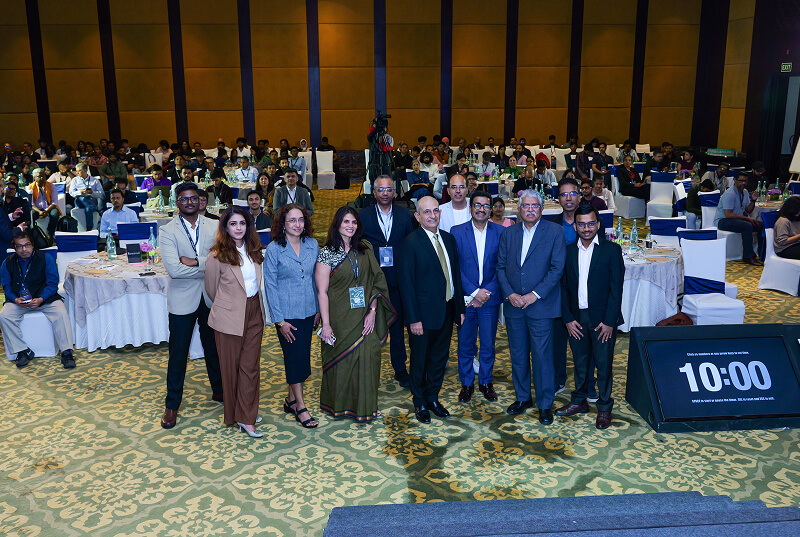
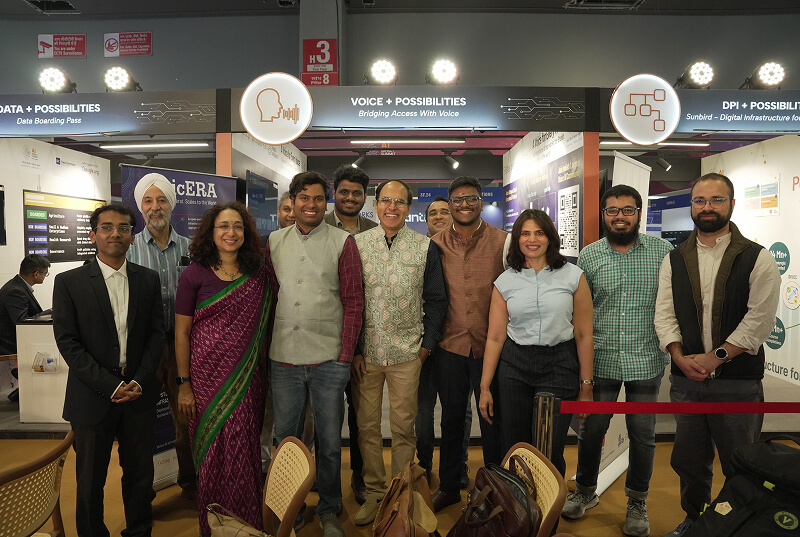
 Jan 28th, 2026
Practitioner gathering on deployment realities across India’s languages

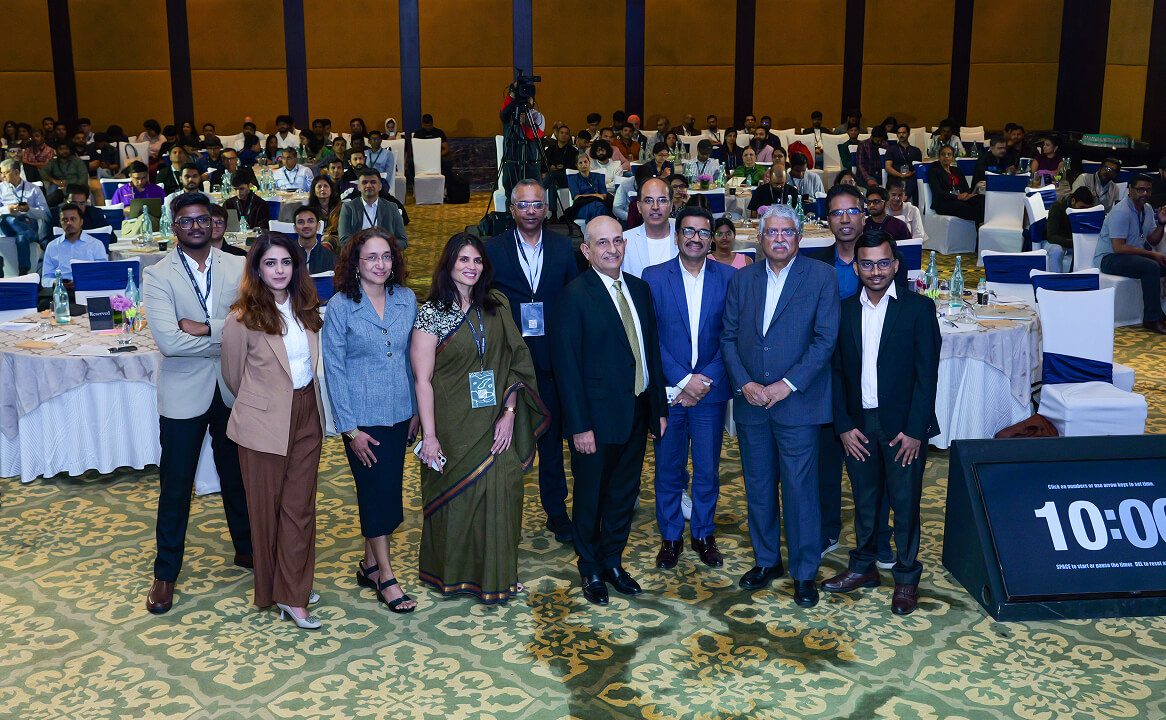 Feb 15th-20th, 2026
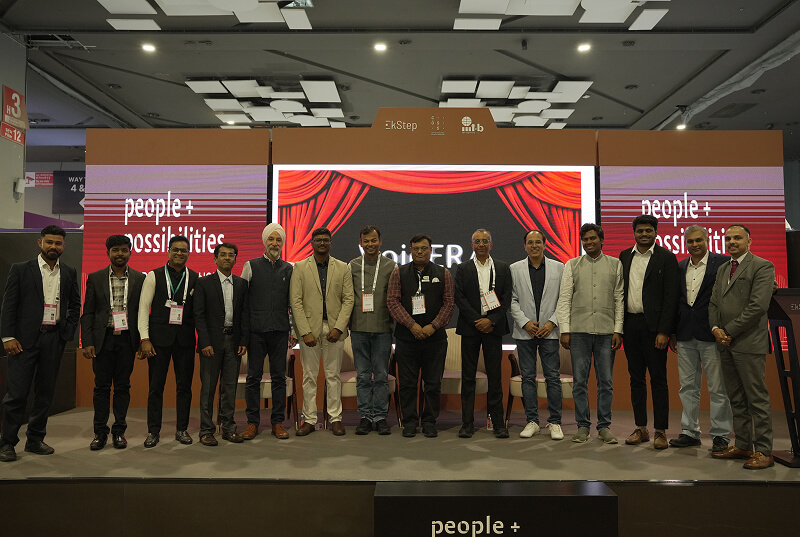
Launch of VoicERA on BHASHINI, National Language Infrastructure
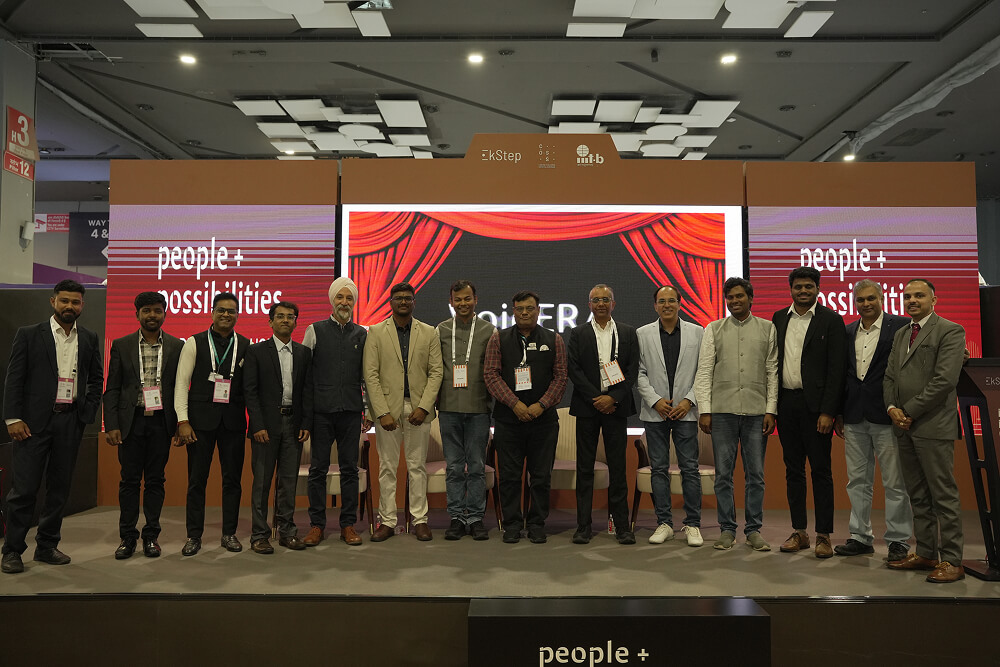 Ongoing
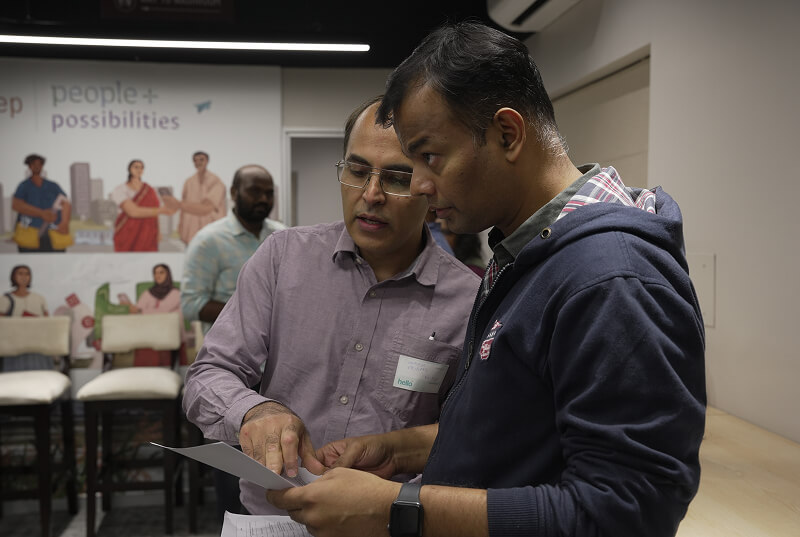
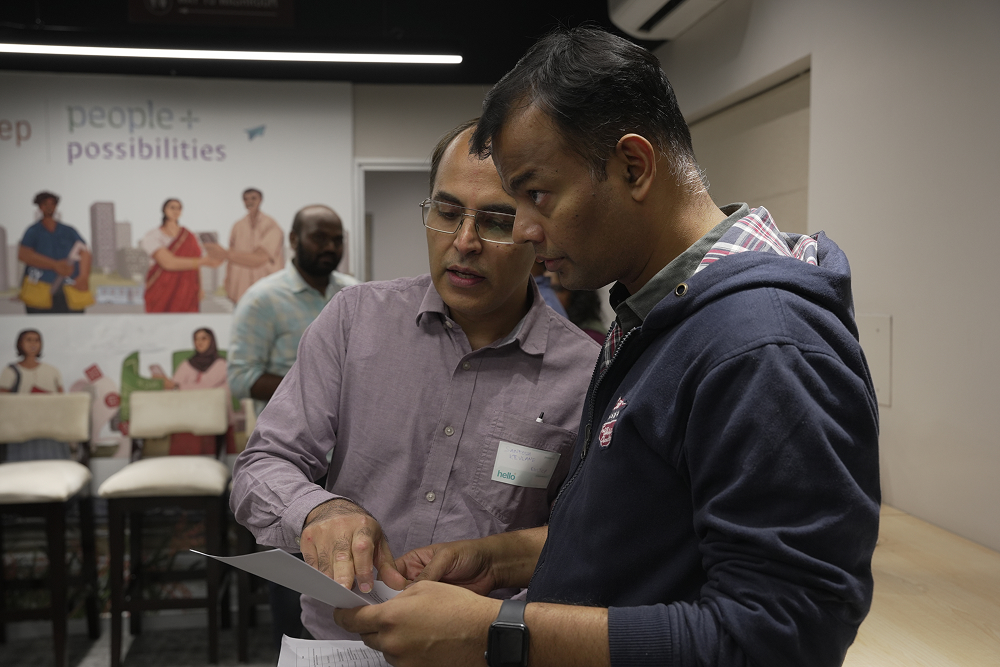
Regular gatherings of deployers, builders, and researchers working through shared challenges (Voice AI Telephony Roundtable, Multilingual Support on National Helplines)
What the ecosystem has built and published - for every organisation deploying next
PDFs available for all five documents. Contact: voice@ekstep.org

Guide · Beginner

Guide · Telephony

Architecture · Intermediate

Tool · Open Stack

Learnings · All Levels


Bring Voice AI to the people who need it most. Access programs, partners, and tools to move from idea to deployment.